Executive Overview: The Convergence of Google Cloud, Gemini & Antigravity
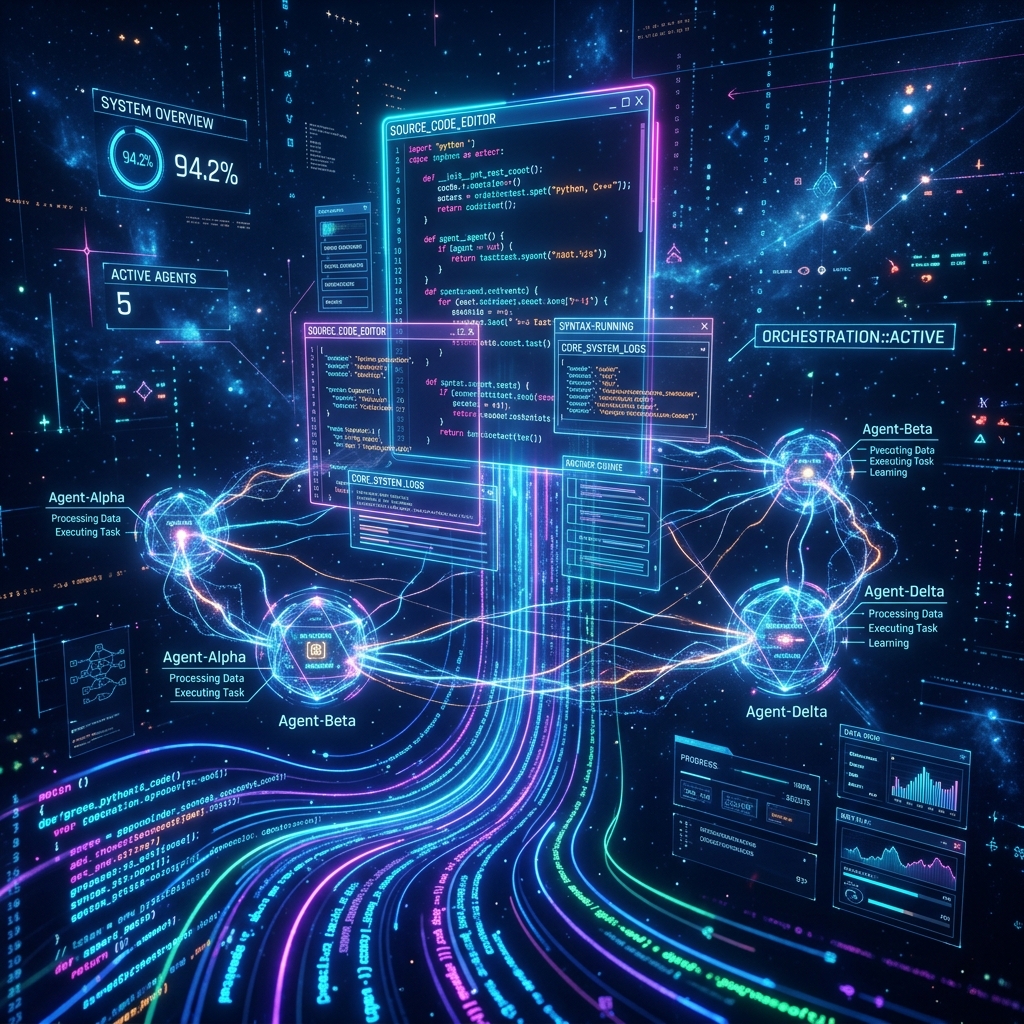
In 2026, enterprise cloud computing is undergoing a fundamental shift from human-scripted automation toward autonomous AI swarms. At the core of this transformation is the tight integration between Google Cloud Platform (GCP), Gemini 1.5 Pro foundation models, and the Google Antigravity (AGY) Agent Engine.
While traditional cloud frameworks required engineering teams to manually write scripts, maintain brittle cron jobs, and parse truncated log files, the Google Cloud & Antigravity ecosystem enables self-healing, agentic workflows capable of diagnosing infrastructure incidents, executing complex code refactors, and optimizing multi-cloud financial spend in real time.
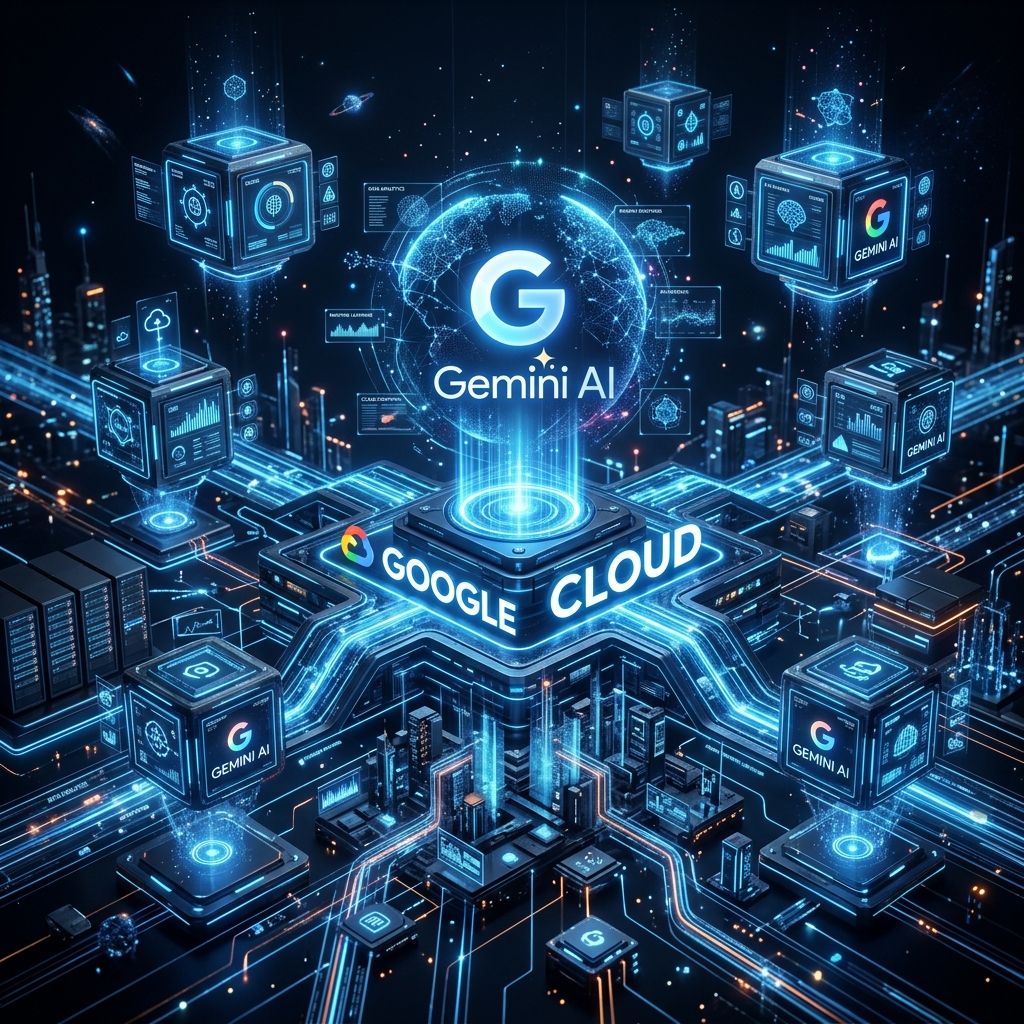
The Triad: Google Cloud + Gemini 1.5 Pro + Antigravity Engine
Combine petabyte-scale zero-copy analytics in BigQuery Omni with Gemini's 2-million token multimodal context windows and Antigravity's reactive subagent orchestration.
1. Gemini 1.5 Pro & Flash: 2M Context Windows & Real-Time Multimodality
The hallmark of Gemini 1.5 Pro is its native 2-million token context window. In production engineering workflows, this eliminates the need for lossy Retrieval-Augmented Generation (RAG) chunking heuristics when working with massive codebases or complex infrastructure manifests.
2. The Google Antigravity Agent Engine & Reactive Subagent Loops
Google Antigravity introduces an event-driven Reactive Wakeup Architecture. Unlike legacy agent loops that poll in continuous loops or sleep blindly, Antigravity agents sleep asynchronously and wake reactively when background tasks complete or external triggers arrive.

// Google Antigravity Subagent Orchestration Example
import { AntigravityAgent, WorkspaceMode } from '@google/antigravity-sdk';

const masterAgent = new AntigravityAgent({
  model: 'gemini-1.5-pro',
  systemPrompt: 'You are the Lead Cloud Architect Subagent.',
});

// Launch subagents in isolated branched workspaces
const buildTask = await masterAgent.invokeSubagent({
  name: 'code-builder',
  role: 'TypeScript Refactorer',
  workspace: WorkspaceMode.Branch,
  prompt: 'Refactor database migration scripts to use Apache Iceberg connector',
});

console.log(`Subagent launched with conversation ID: ${buildTask.conversationId}`);
3. BigQuery Omni & Apache Iceberg: Zero-Copy Data Analytics
By pairing BigQuery Omni with Apache Iceberg open format catalogs on Cloud Storage (GCS) or AWS S3, enterprise data teams run direct GQL graph queries and SQL analytics without transferring data across clouds, cutting egress bills by up to 70%.

4. Self-Healing Infrastructure on GKE Autopilot
When Antigravity agents detect pod memory leaks or P99 latency spikes on GKE Autopilot clusters, they auto-generate Terraform PRs, run automated load tests in staging, and submit GitHub pull requests with full audit logs for human approval.
5. Enterprise Security, VPC Service Controls & SAIF Guardrails
Google Cloud enforces the Secure AI Framework (SAIF), ensuring all Gemini model prompts and Antigravity agent execution environments remain strictly isolated within VPC Service Controls with IAM least-privilege scoping.